Offline motion kinetic engine
Tilewind Engine
A new story — the offline Motion Art Wall engine
— Up to 30 stories. Up to 10,000 photos.
Offline · One USB · No subscription
Three ways to show
Real screen recordings (only the loop seam is joined).


Any photographs
A single moment, paused.


Tile wall · Mosaic wall — up to 335 photos, all shown through random swaps.
One at a time — up to 335 photos, in order.
Anywhere there’s a screen.
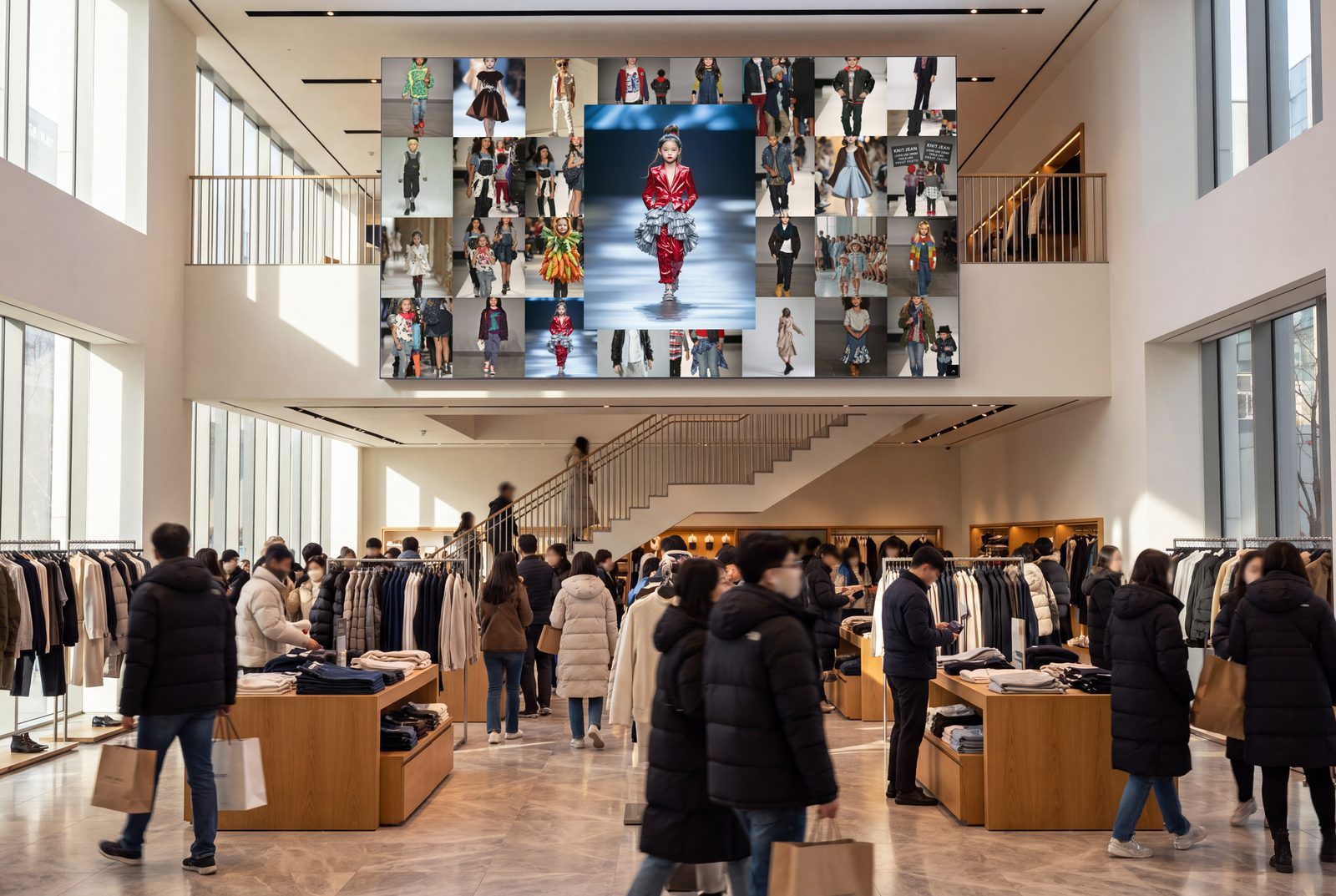
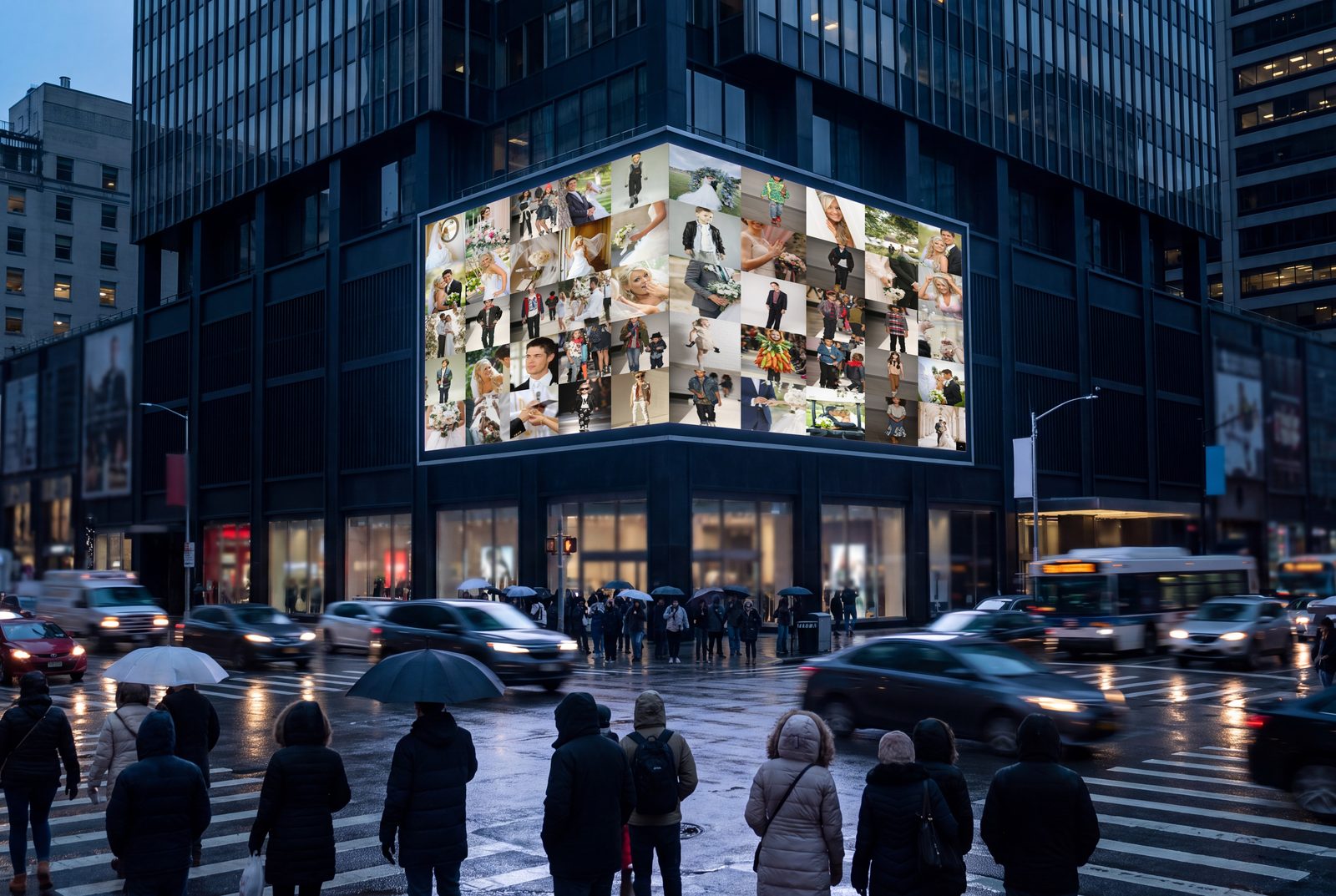
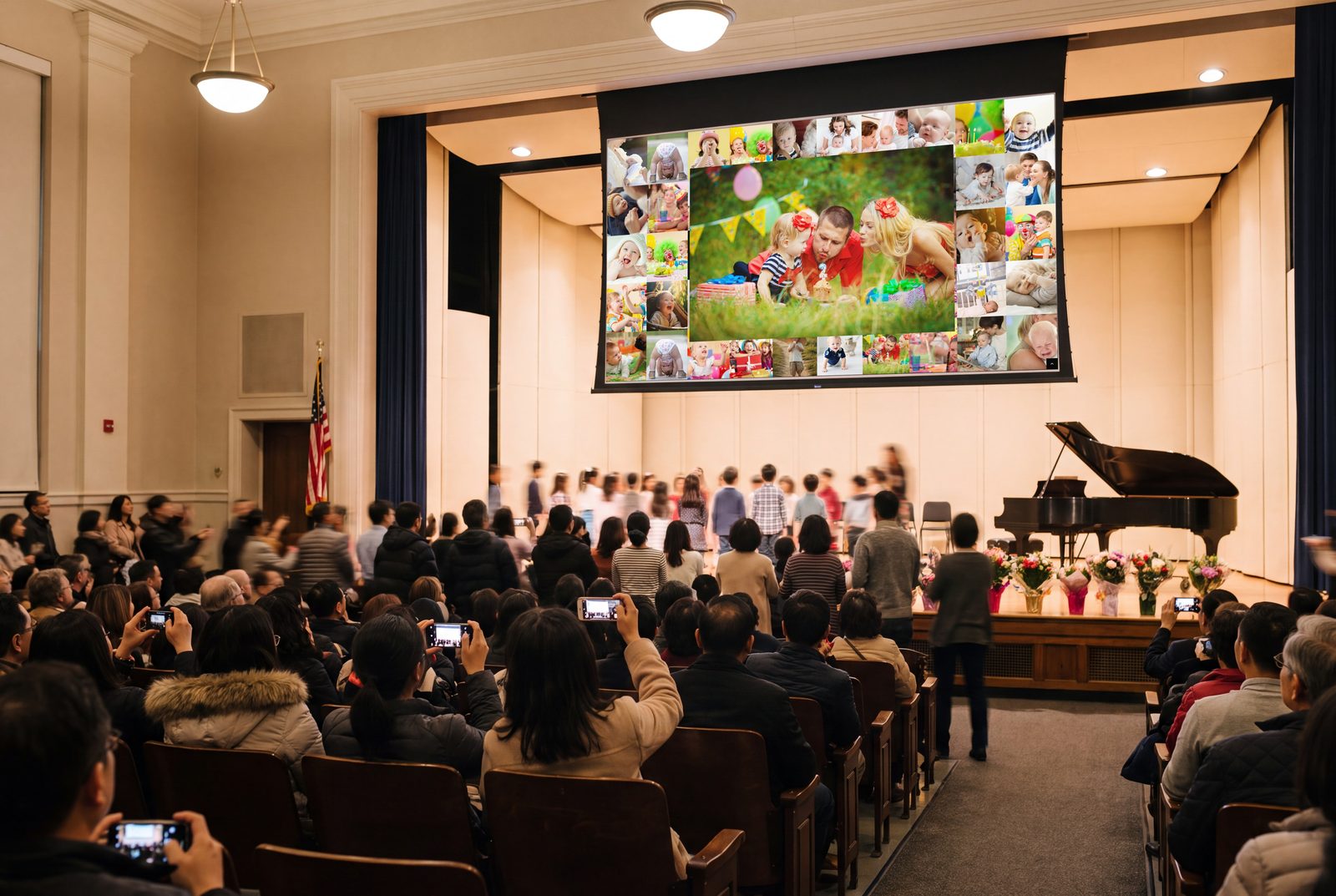
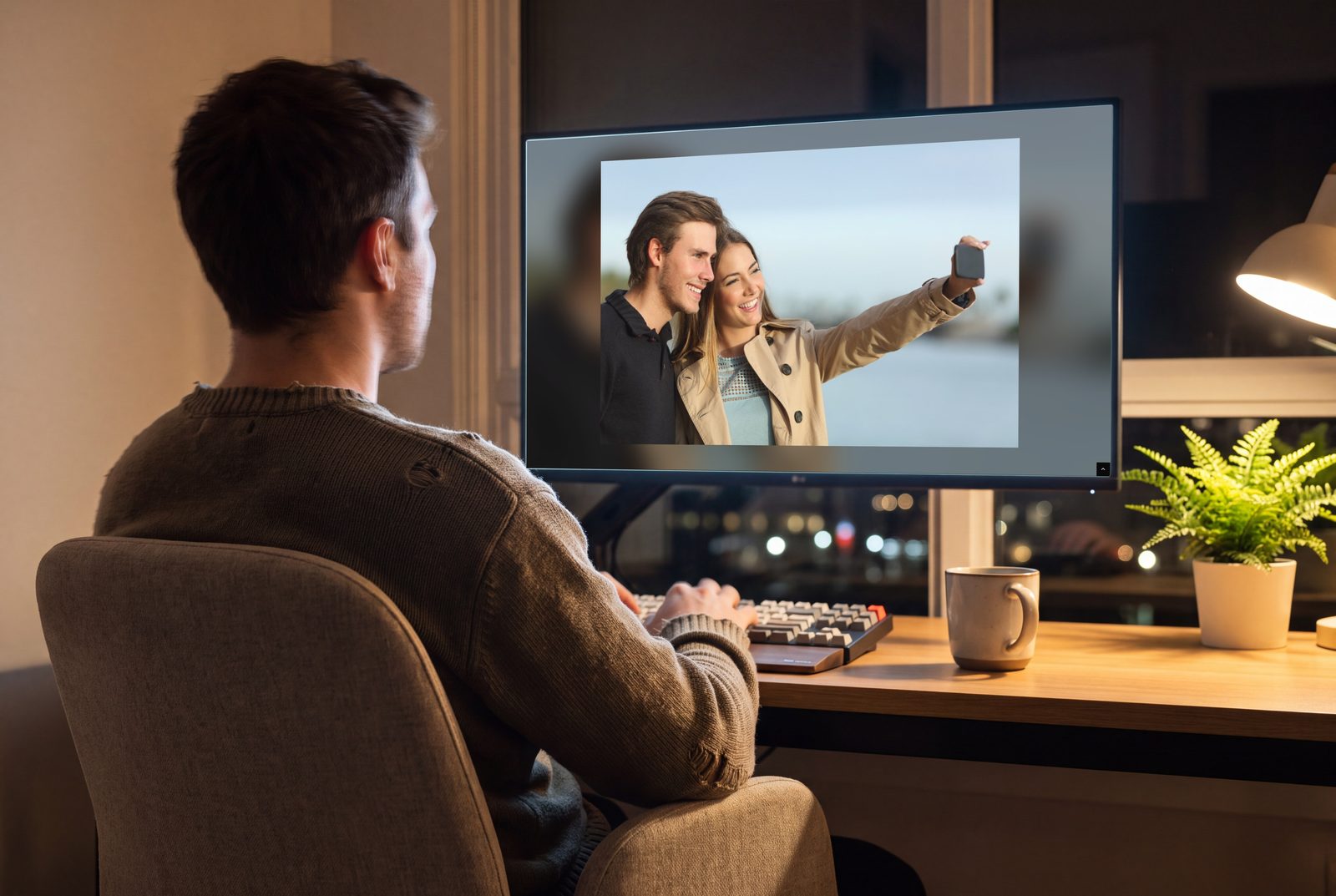
The scenes are staged photos; what’s on the screen is the real Tilewind screen.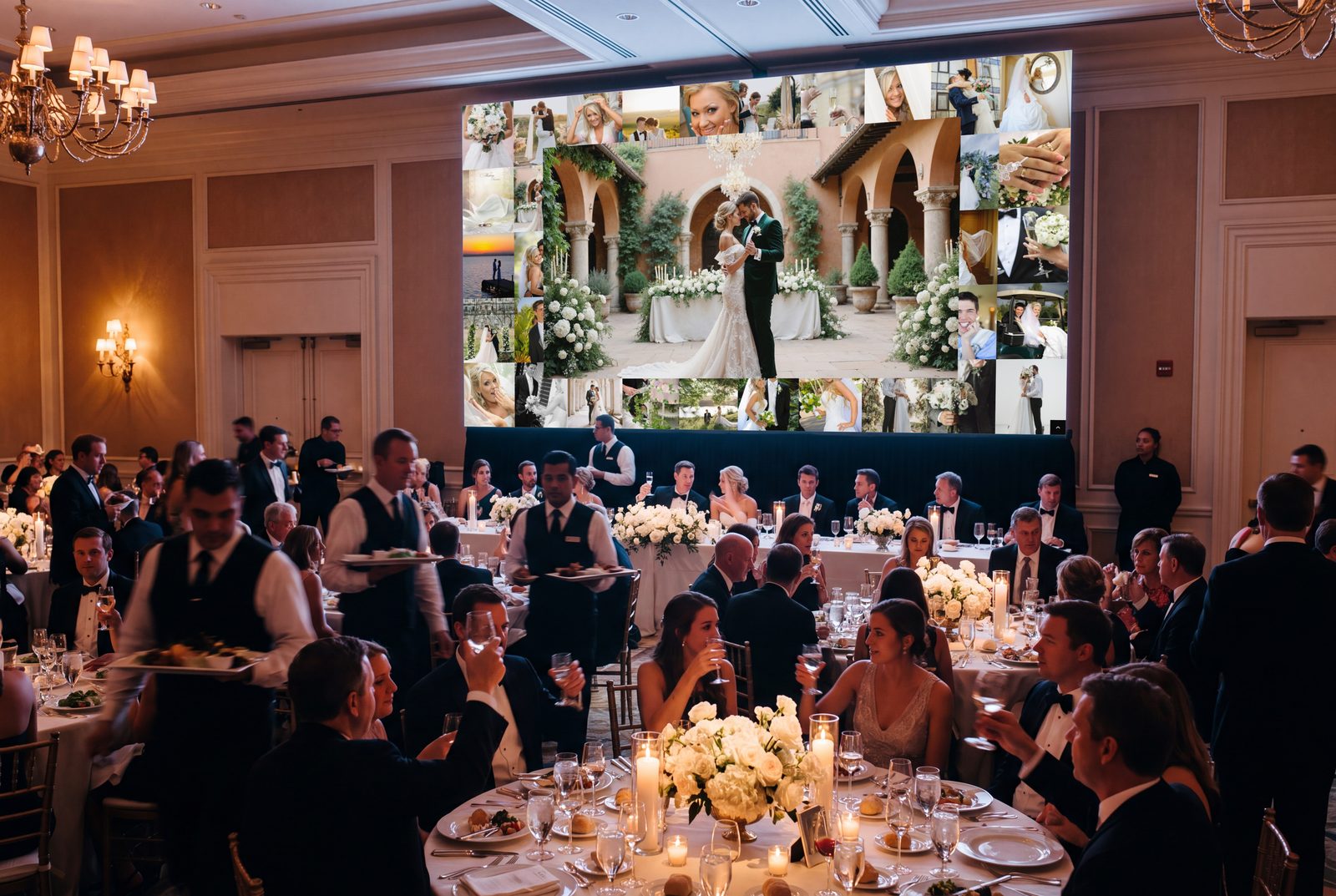



In use
Wedding planners · Venues
Hundreds of the day’s photos become the hall’s wall.
Another all-nighter for the reception video? Put the couple’s photos and music in a folder and that day’s Motion Art Wall is ready. This week’s wedding, and next week’s — no vendor, no waiting.
Wedding & event photographers
Your selects, on site, as they are.
No editing, no rendering — the day’s selects, in front of the client that evening. Want to swap one shot? Swap one file.
Runway · Fashion studios
Hundreds of runway looks become the showroom wall.
When the show ends, the looks stay in a folder. One folder per collection, in the showroom in front of buyers — season after season, it becomes the brand’s archive.
Exhibition · pop-up directors
One screen becomes the exhibition.
From horizontal strips to vertical columns, at any ratio — from a monitor to a TV to a large LED wall. When the exhibition changes, the screen stays; only the folder changes.
Kindergartens · Schools
A term of the children’s photos becomes the classroom wall on parents’ day.
Never uploaded — it runs inside the USB. A folder per term: that term on parents’ day, three years on one screen at graduation. No teacher stays up building slides.
Recitals · Reunions
Recital, year-end party, reunion — everyone’s photos, on the wall of that room.
One folder, that morning. After the recital, in front of the parents; at the year-end party, the whole year; at the reunion, those years on one screen — year after year, it becomes the history of the group.
Newlyweds · Families
The photos that only pile up on a phone, each one its own story.
As many Motion Art Walls as you like — a joy for the whole family. First birthday, first trip, first day of school — one volume for each year of a child, opened in the living room or at grandma’s.
Individuals
Hundreds of trip photos become one wall the day you’re home.
A folder for each trip, each year. All your journeys, as dozens of Motion Art Wall stories — and every time you open one, you are back there.
On site
Same job, another way.
| Situation | The usual way | Tilewind Engine |
|---|---|---|
| Hundreds of the day’s photos, as the hall’s Motion Art Wall | Sent to a studio to be cut into a video — a few days to two weeks, with a set number of revisions (Korea, 2026) | Swap the photos in and you are done |
| A live slideshow at the reception | Booked per event, about $300–2,500; an editor picks photos in the gap before the reception (US, 2026) | Bought once per USB, used at every event |
| Cloud signage | A monthly fee per screen, such as $20–30, and the internet to sync | No monthly fee. Never uses the internet |
Sources, September 2026: Weddingnote · Timeless PV · The Front Desk Review
Price
One USB. One licence. Yours to keep.
Plug in and it plays, buy once and use it again and again. Just swap in new photos and music.
- Tilewind Engine on its own USB
- One licence per USB — commercial use included
- All three screens: tile wall, mosaic wall, one at a time
- Background music — drop it in a folder, pick a track
- Fits any screen ratio
- Genuine licence
Several halls or venues? Buy one USB for each.
FAQ
How do I use it?
Put the photos from the camera or phone, as they are, into a folder on the USB and run it on a PC connected to the screen by HDMI. Drop music into the Music folder and pick a track in ⚙ — it plays as background music right away. Nothing to install, no login.
Does it really need no internet?
None. Everything is on the USB, so the screen looks the same where there is no Wi-Fi.
Are there any other fees?
No. $149 is paid once for one USB and its licence. There is no monthly or yearly fee.
What do I plug it into?
Into a USB port on the PC or laptop that is connected to the TV, monitor or LED wall by HDMI.
How many photos can I use?
Up to about 10,000 photos on one 128GB USB, split into up to 30 stories (folders). The more photos, the more varied the screen.
How is this different from a video slideshow?
A video has to be made again even if you change one photo. Tilewind moves the photos you put in live, so a swap is a new screen right away, and no scene repeats.
Can it run on an LED wall or an outdoor billboard?
Yes — if the LED screen takes the PC’s HDMI signal. From long horizontal strips to tall columns, the cells fit the ratio automatically.
How do I know it is genuine?
Each USB carries a genuine licence. ⚙ settings show “Genuine · Tilewind · your number” — the same number as on the certificate card in the box.
Is Tilewind Engine a product I can rely on?
Tilewind Engine is built by nexonbook Corp. (nexonbook.com). The company was founded on 18 May 2011 and has been developing and supplying software ever since — 15 years.
What we have built through those years is online software with data security at its centre. Tilewind Engine runs entirely from the USB, without the internet, so it does not depend on any server or network.